by Joshua Loftes, Year 10
The Last Lemon
No one names their children anymore.
It used to matter – names – but now, in the crumbling silence of After, nobody bothers. The boy’s mother used to call him ‘Little Bit’, mostly because they had little of everything, including food, luck, and time. But even she had stopped calling him anything in the final weeks, her voice slipping into silence like the last sun behind the dust-clouded sky.
Now the boy walks alone. Twelve? Maybe ten? Or just a very old six. His ribs count his days better than calendars.
He walks through the skeleton of what used to be a supermarket. The roof has collapsed in a dignified bow, like performers after the final act. Birds – mean ones, with feathers like burnt paper – watch from rusted shelves.
He’s not looking for food. Not really. He knows better. But habits, like ghosts, don’t die properly. So, he opens every tin, sniffs every broken packet, flicks every light switch just in case the world apologises and turns back on.
Then he finds it.
A lemon.
Small, spotted, a little squishy. But unmistakably yellow, sitting in a wire basket like it had been waiting patiently just for him.
He stares.
Not because he’s hungry – he’s forgotten what hunger really is – but because the lemon is funny. It doesn’t belong. It’s bright in a world that only remembers grey.
He picks it up. Rolls it between his fingers. Sniffs it. And then – without meaning to – laughs. A real, ridiculous laugh that startles the mean birds into flight. The sound of it hurts. His throat isn’t used to joy.
‘What do I even do with you?’ he asks the lemon. It doesn’t answer. He likes that.
He decides to carry it. Not eat it. Not yet. It feels too important for that.
He names it Kevin.
Now he has something to talk to.
He tells Kevin about the Before. Not that he remembers much. Just flashes: bubbles in lemonade, the sound of sprinklers on grass, his mother’s humming when she still had a name. Kevin listens politely. Lemons are good like that.
He walks and talks for three days. People stare when they see him. A boy, alone, barefoot, filthy – and holding a lemon like it’s the crown jewels. He doesn’t stop for them. People are hungry, and hungry people get strange ideas about citrus.
On the fifth day, he arrives at a village built from trash and prayers. An old woman spots the lemon. Her eyes widen. She doesn’t ask to eat it. Instead, she asks, softly, ‘Can I smell it?’
He nods.
She closes her eyes. ‘God, I’d forgotten,’ she whispers. ‘That’s what sunlight used to smell like.’
He gives it to her. Not because he doesn’t want it – but because Kevin, being a lemon, doesn’t mind being shared.
The boy doesn’t stay. He walks on, lighter now, somehow.
He doesn’t look back. The lemon is gone, but the laugh lingers.
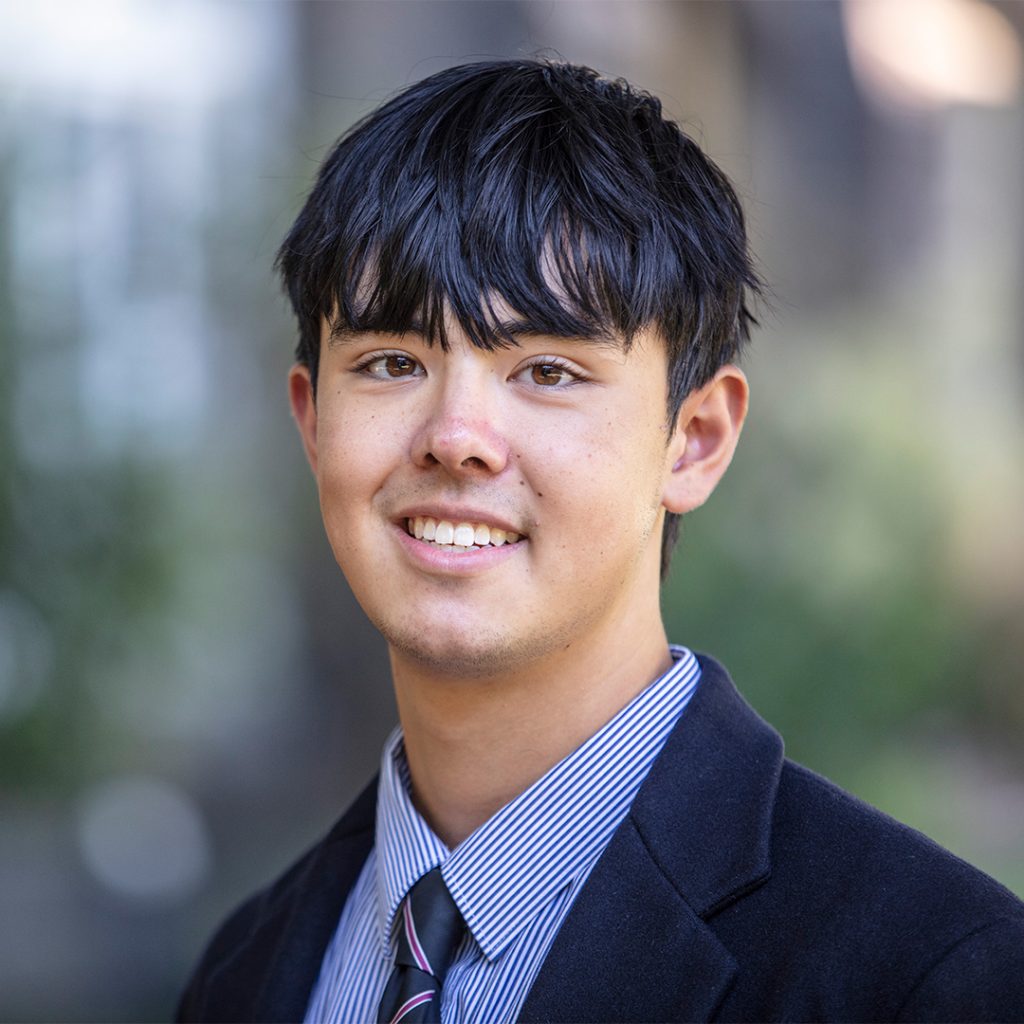
Joshua won the Year 9 and 10 Category of the Victorian Association for the Teaching of English (VATE) ‘A Story in Miniature’ writing competition in 2025